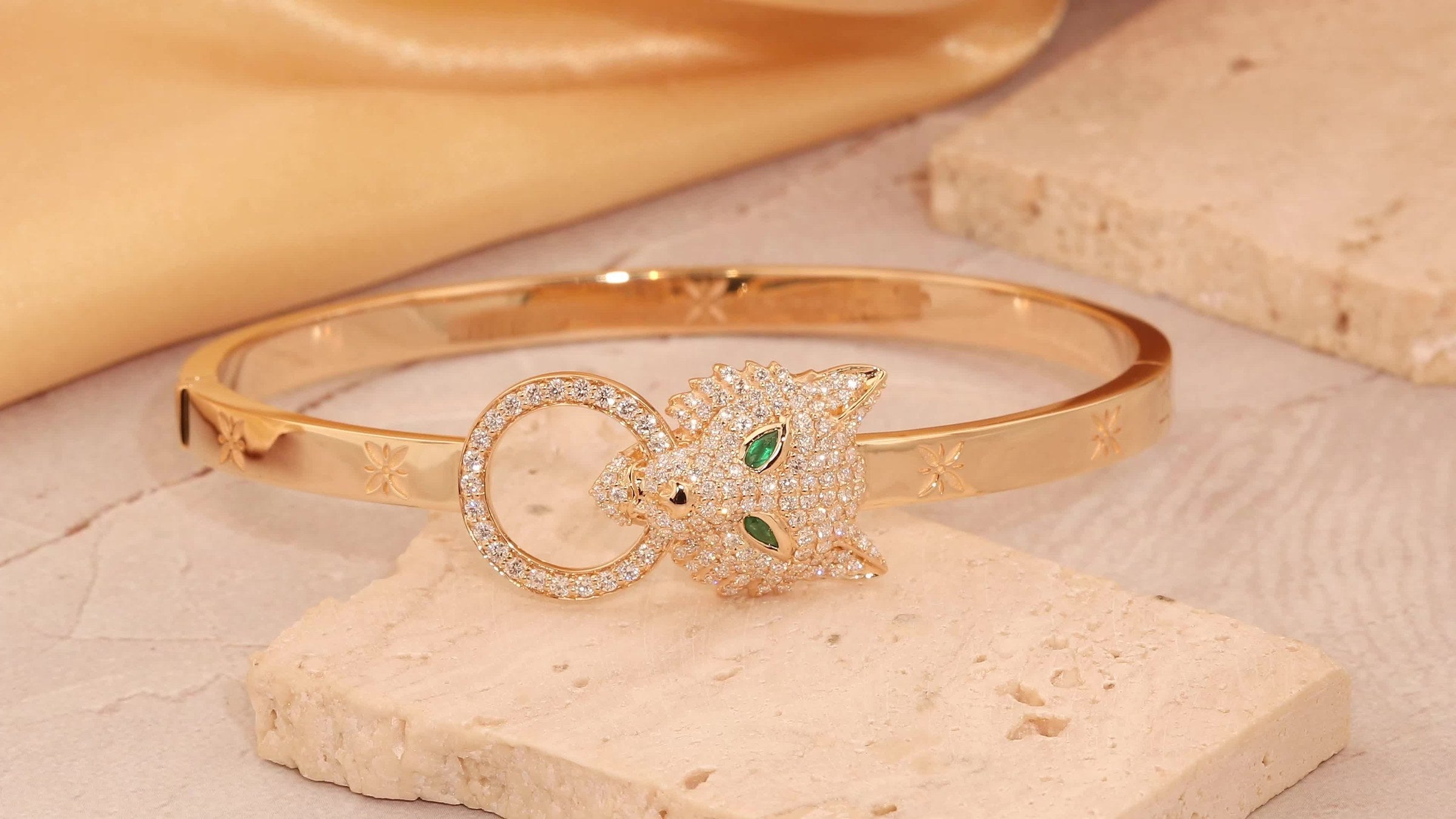
Made to Remain: How to Choose Fine Jewelry That Lasts
Most jewelry is chosen for a moment. Fine jewelry should be chosen for all the moments after it.
There is a difference between a piece that photographs well and a piece that survives being worn: worn to weddings and to ordinary Tuesdays, passed from one hand to another, taken off carefully at the end of long nights for thirty years instead of three. That difference is rarely visible at first glance. It is built in, quietly, long before a piece ever reaches a wrist or a neckline. This is a note on what to look for.
Gold That Doesn't Apologize for Itself

We work exclusively in solid 18k gold, not gold plating, not vermeil, not a thin coat over something else. The distinction matters more than it sounds. With regular wear, plating eventually thins, particularly at the edges and points of contact. How quickly depends on thickness and how often a piece is worn, but the pattern holds. Solid gold behaves differently. Over the years it gathers fine marks and surface character, the kind that can be polished away or left as part of the life of the piece, but the gold itself stays gold throughout. A well-constructed ring in solid 18k gold can often be resized, repaired, restored, and passed down rather than simply replaced. A plated piece, once its surface has worn significantly, usually has fewer options.
This is also, plainly, part of why fine jewelry costs what it does. The gold itself carries intrinsic material value. Plating offers the appearance of gold, but not the same permanence or recoverable material beneath the surface.
Solid gold offers something else, too, that plating never can: it can be melted down and remade. A ring that no longer fits, or a design that no longer feels like the woman wearing it, doesn't have to be discarded. The gold becomes the raw material for whatever comes next. This is how a single piece can move through a family in more than one shape: a grandmother's brooch reborn as a granddaughter's ring, the material outlasting any single form it was ever given.
What a Stone Is Asked to Do

A stone in a piece of jewelry is not decoration. It has to be chosen and set with an understanding of how it will actually be worn. Durability depends less on beauty alone than on the character of the gemstone itself, its inclusions, its cut, its hardness, and the construction that holds it. Not every stone asks for the same handling: an emerald, prized for its depth, is also more prone to inclusions and impact than a diamond, and a setting built for one isn't automatically right for the other.
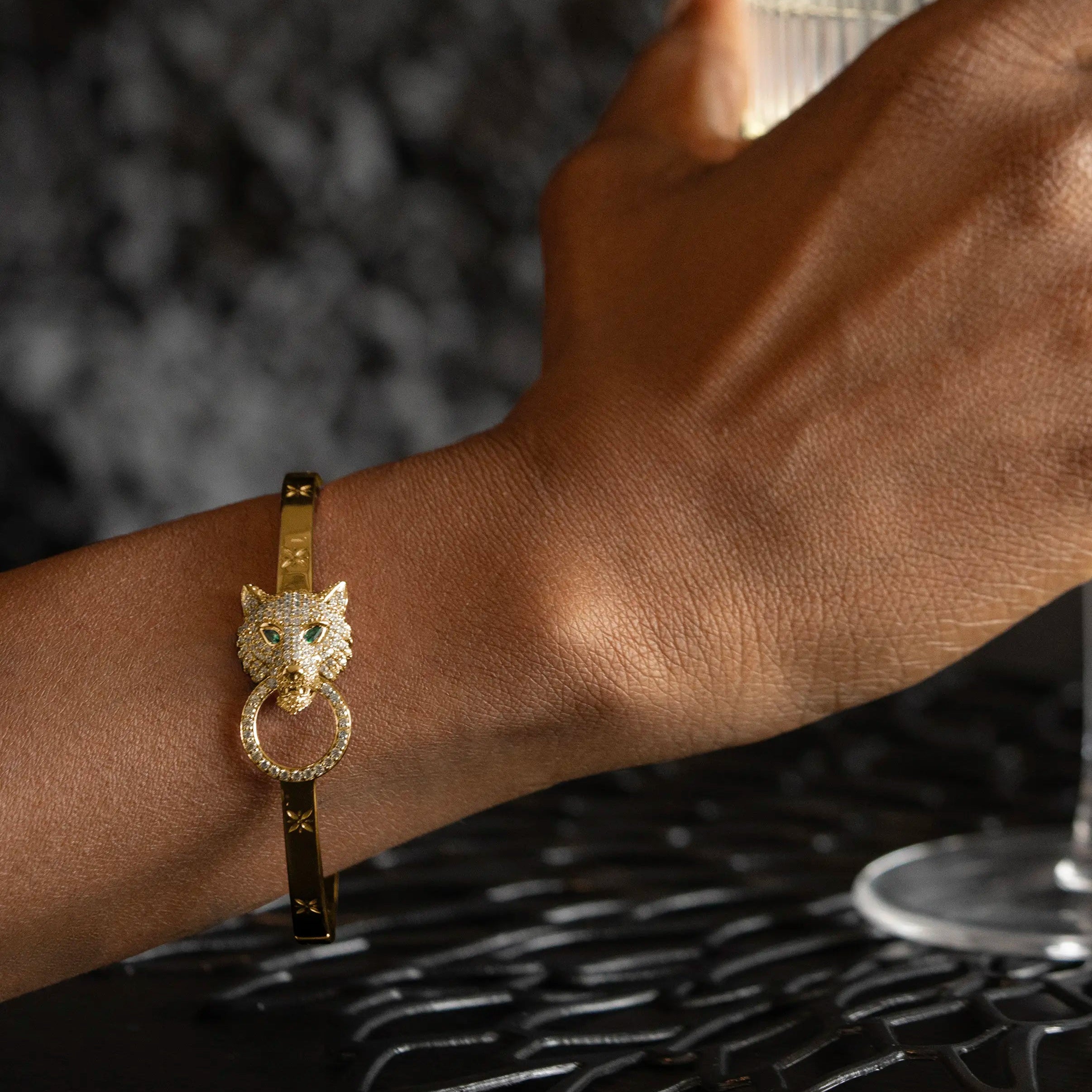
Across ORIMI's collections, this looks different by design. AJÉ carries natural emeralds, chosen for their depth and their instinct-driven symbolism, set with that character in mind. INÁ and ÀWO carry natural diamonds, chosen for clarity and light. In every case, the stone is set by hand, with the setting considered in relation to the stone it holds, not built to a single template regardless of what sits inside it.
Weight Is Not an Accident
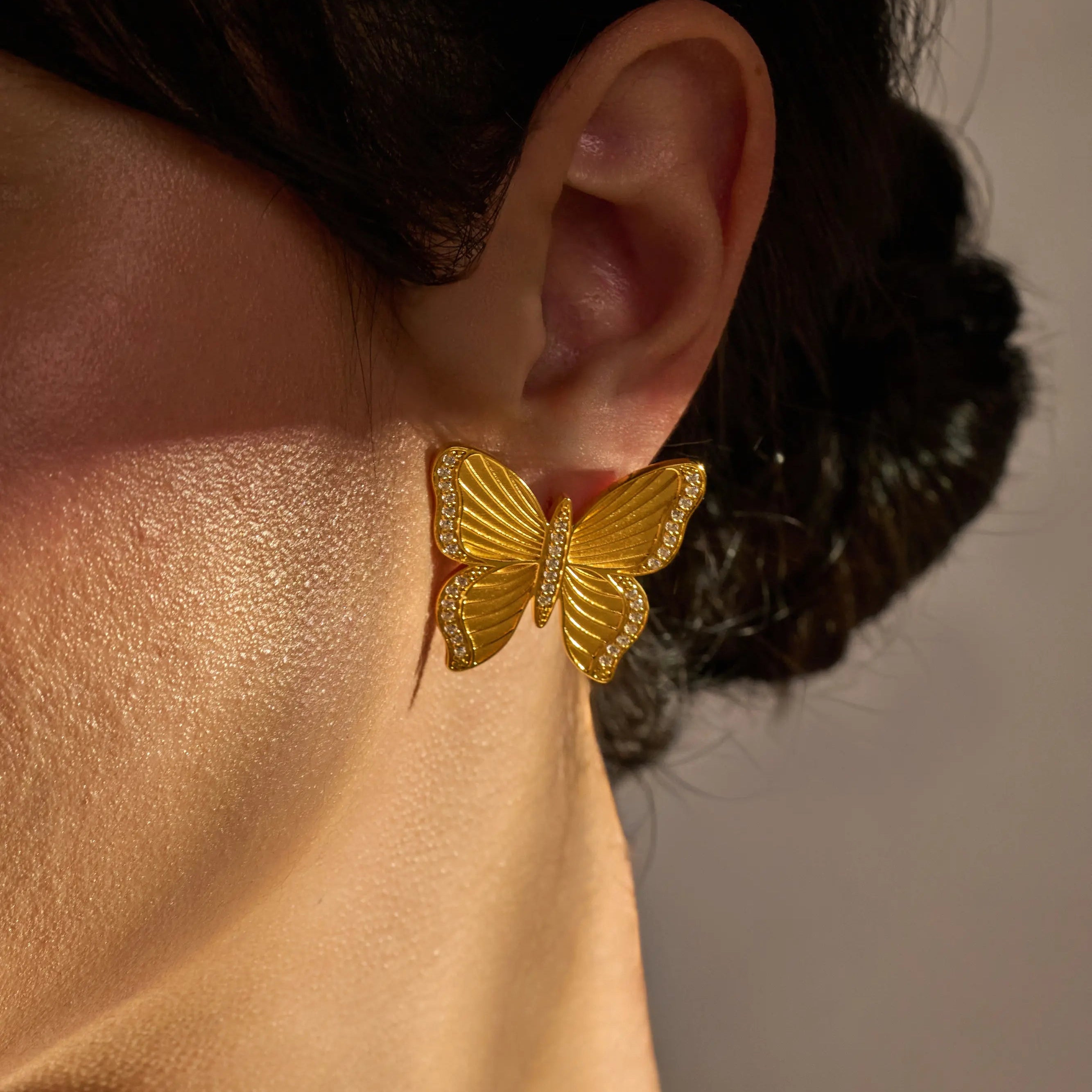
Pick up two rings that look nearly identical, and one will often feel more substantial than the other. That is not a coincidence. It's construction. Thicker bands, fuller settings, and denser gold all cost more to produce, and they are also what allow a piece to be worn daily for years without thinning, warping, or losing its shape. Lightness can be elegant, but when it comes from removing material rather than from deliberate engineering, it tends to show, over years of wear, in ways a photograph never will.
Made to Order Is Made to Matter

Made-to-order fine jewelry asks for something increasingly rare: time. We don't hold inventory in the traditional sense. Each ORIMI piece begins after it's ordered, produced at a small scale and finished by hand rather than pulled from a shelf. This is slower, intentionally. The tradeoff is time. What you gain is the space for closer attention at every stage: to proportion, to how a stone sits in its setting, to finishing, before a piece ever leaves the workshop.
Timeless Is Not the Same as Simple
It's easy to confuse the two. A minimal piece can go out of style just as quickly as an ornate one; simplicity is not, on its own, protection against trend. What actually endures is meaning: a piece tied to something the wearer returns to, rather than something borrowed from a passing aesthetic. This is part of why every ORIMI collection is built around a Yoruba archetype rather than a seasonal mood. A design inspired by instinct, or fire, or watchfulness, doesn't expire when a trend cycle does, because it was never answering to one.
A Piece That Grows With You
Taste changes. That's not a flaw to guard against. It's what happens to anyone living an actual life. The question worth asking isn't whether your relationship to a piece will shift, but whether the piece has enough depth to shift with you.
A ring bought to mark an arrival (a new title, a new city, a new beginning) can come to mean something closer to endurance a decade later, once you've forgotten the version of yourself who first put it on. That's not the piece losing its meaning. That's the piece doing its job. Jewelry built around a single trend has nowhere to go once the trend passes. Jewelry built around an idea (instinct, fire, watchfulness) has room to be reinterpreted for as long as you keep wearing it.
Before You Choose a Future Heirloom
An heirloom doesn't begin the day it's passed down. It begins the day it's chosen, and usually, the pieces most worth passing on are the ones that were worn constantly, not saved for occasions. Their value comes from having been present, not preserved.
A few questions worth asking, whatever brand you're considering:
- Is the gold solid, or plated? Ask directly. Reputable brands will tell you the karat and construction without hesitation.
- Are the stones natural? Ask how they're secured, and whether the finished setting is inspected before it leaves the workshop.
- Does the piece have real weight to it, or does it feel hollow?
- How was the piece produced, and what care went into finishing it before it reached you?
- Does the design mean something you'll still recognize in ten years, or does it only make sense in this one?
What Remains
The pieces that stay with us rarely do so for one reason. They begin with beauty, but what keeps them close is what's underneath it: the integrity of the gold, the honesty of the construction, and the meaning that was built into the piece before it ever met the person who would wear it.
That is what we mean when we say a piece is made to remain. Not that it survives untouched. That it's still worth keeping once it hasn't been.